.png)

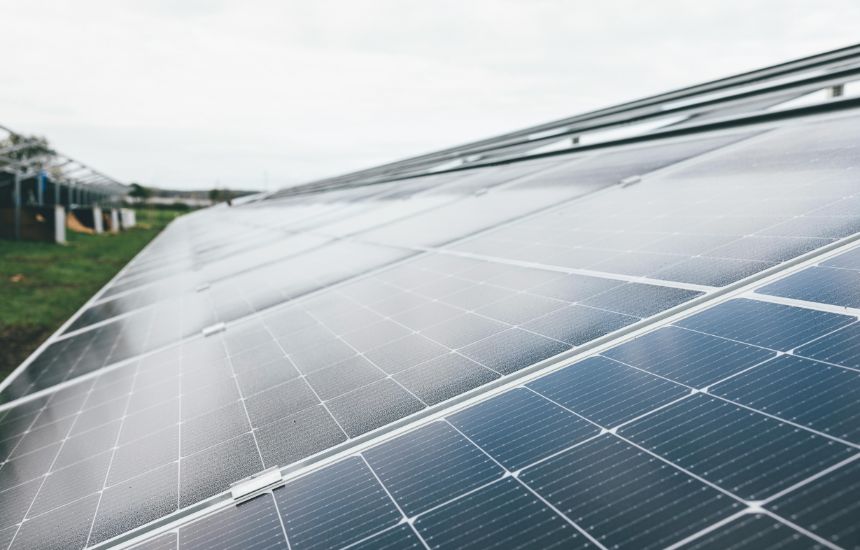
In the heart of Rajasthan’s mining belt, where silicosis has devastated thousands of households and left scores of men bedridden, a new force of resilience is rising — women solar engineers. These women, many of whom have never attended school, are now powering homes, supporting their families, and transforming their communities through clean-energy skills.
One such story is that of Santosh Devi, whose husband is incapacitated by silicosis, the incurable lung disease caused by silica dust exposure. Determined to keep her family afloat, she enrolled in a training program at Barefoot College in Tilonia, joining other women from mining-affected villages. Despite being illiterate, Santosh mastered the basics of solar installation — assembling panels, wiring, and maintaining small household solar systems.
Today, she installs panels for lamps, fans, and phone chargers across nearby hamlets, earning a modest but growing income that helps feed her children and pay for medical needs. Her village alone has over 70 residents suffering from silicosis, a stark reminder of the mining belt’s ongoing crisis.
Another trainee, Champa Devi, juggles solar installation work with construction labor to support her ailing husband. Though payments are irregular, the skills give her an independent income stream and renewed confidence — a powerful shift in communities where women traditionally stayed confined to household roles.
Rajasthan’s mining belt, home to nearly 2.5 million workers exposed to hazardous dust daily, remains one of India’s worst-hit regions for occupational disease. As silicosis continues to claim lives and livelihoods, these women are building a different future — one panel at a time.
Armed with solar engineering skills, they are not only electrifying village homes but also rewriting the narrative of survival, empowerment, and sustainable development in some of the country’s most vulnerable communities.
.png)
.png)
.png)
.png)
-preview.webp)
-preview.webp)
-preview.webp)
-preview.webp)
-preview.webp)