.png)

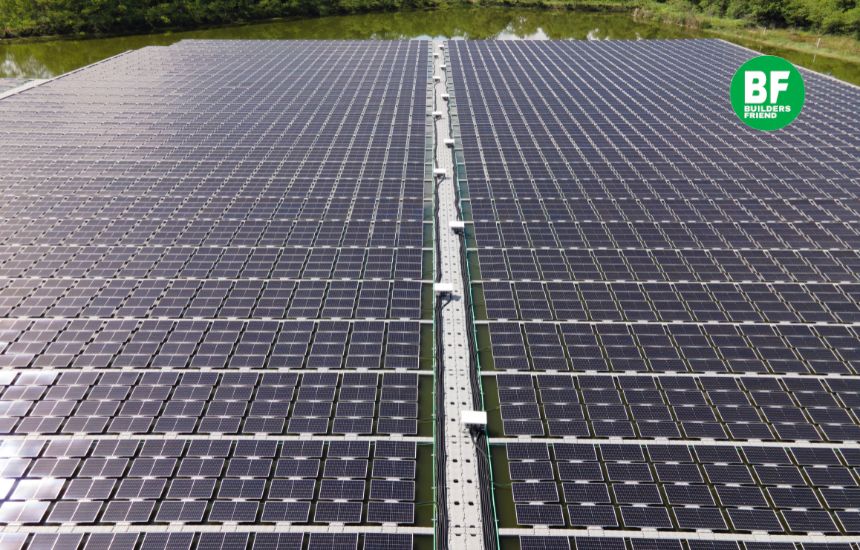
China’s aggressive drive to exploit Tibet’s renewable energy resources is drawing global scrutiny. Massive hydropower projects on the Yarlung Tsangpo River threaten the fragile Himalayan ecosystem and downstream water security for India and Bangladesh. Extensive lithium, copper, and rare earth mining is driving the clean energy boom but causing heavy metal pollution, loss of livelihoods, and displacement of locals. Meanwhile, Tibet’s plateau is rapidly transforming into a solar and wind energy hub, intensifying ecological risks. Critics argue that China’s pursuit of “green growth” in Tibet presents a moral paradox: advancing sustainability at the expense of the environment and human rights, highlighted by the detention of activists like Tsongon Tsering.
.png)
.png)
.png)
.png)
-preview.webp)
-preview.webp)
-preview.webp)
-preview.webp)
-preview.webp)